How I Learned the Benefits of AI Based Video Upscaling Through Real Projects
I share my experience using AI based video upscaling to enhance low resolution footage, with tools, workflow, mistakes, and tips for professional quality results.
Key Points Regarding AI Video Upscaling
Why my old client footage always looked blurry
Tools I personally used for AI upscaling
How AI enhances resolution, detail, and clarity
Lessons learned from mistakes in early attempts
Real life examples and before/after resultss
Step by step workflow for AI video upscaling
Practical maintenance and quality check table
How I Learned the Benefits of AI Based Video Upscaling Through Real Projects
I’ve worked on numerous video projects where the original footage was shot in low resolution 480p or even lower. Every time I tried to upscale it manually or with traditional editing software, the result looked soft, pixelated, or artificial. Exporting it for YouTube or client presentations felt frustrating.
That’s when I discovered AI based video upscaling tools. At first, I was sceptical could a program actually recreate details that weren’t captured in the original video? After experimenting, I realized AI upscaling is a game changer, but it requires careful setup, the right tools, and human supervision.
My First AI Upscaling Project
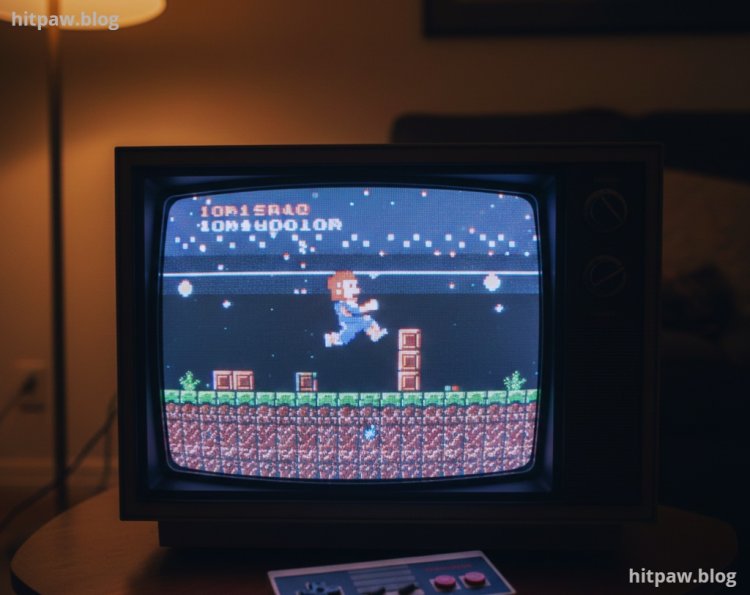
The project involved an old interview series recorded in 480p. The goal: convert it to 1080p or 4K without losing natural clarity or introducing artifacts.
Initial attempt with traditional scaling software:
Resulted in a slightly higher resolution but fuzzy details
Colors appeared dull and textures were soft
Long rendering times
Switching to AI based tools completely changed the workflow. I could preserve details, enhance textures, and create professional quality video without spending days manually editing each frame.
Materials I Personally Used
Software Tools
Topaz Video AI main tool for upscaling, denoising, and sharpening
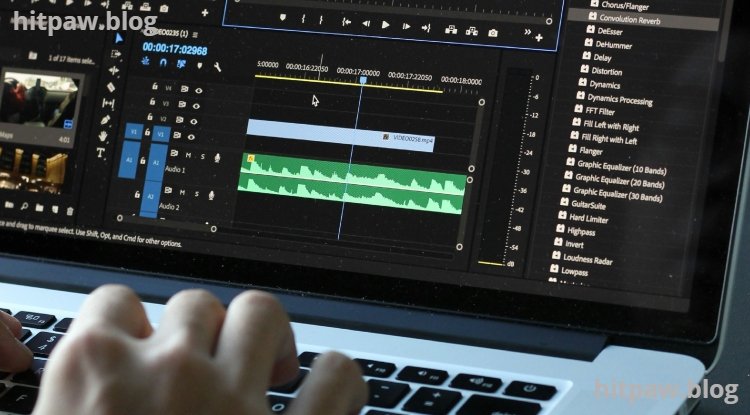
Adobe Premiere Pro for trimming, sequencing, and final export
DaVinci Resolve optional for color grading post upscaling
HandBrake compressing output for web while retaining quality
Hardware
Laptop with Intel i7 CPU, 16GB RAM, and NVIDIA RTX 2060 GPU
External SSD for storing multiple large video files
File Types
Input: MP4, MOV, AVI
Output: MP4 H.264/H.265 for online use
Practical Reality Check About AI Video Upscaling
AI video upscaling isn’t magic it enhances what’s already there by analyzing textures, edges, and patterns to produce higher resolution footage.
AI upscaling can:
Increase resolution while preserving detail
Remove noise and compression artifacts
Restore textures intelligently
Reduce jagged edges and blur
AI upscaling cannot:
Invent fine details that were never captured (it approximates them)
Correct extreme motion blur automatically
Replace color grading you still need manual tweaks
How I Upscale Video Using AI
Step 1: Analyze Your Source Footage
Check resolution, frame rate, and noise level
Identify areas with compression artifacts or pixelation
Lesson Learned: Ignoring analysis leads to over sharpened or unnatural looking footage
Step 2: Choose the Correct AI Model
Topaz Video AI provides several models:
Gaia: Ideal for natural textures, landscapes, and general scenes
Artemis: Best for low light or noisy footage
Proteus: Allows manual control over motion, detail, and enhancement
Mistake I Made First Time:
Used default settings > over sharpened faces and unnatural textures
Fix:
Tested each model on short clips
Selected the model depending on footage type
Step 3: Pre Process the Video
Stabilize shaky footage
Crop unnecessary borders
Reduce extreme noise if present
Pro Tip: Pre processing prevents AI from amplifying unwanted artifacts
Step 4: Apply AI Upscaling
Set target resolution (1080p or 4K)
Adjust denoise and sharpness sliders gradually
Render a short test clip first
Pro Tip: Always render a short clip first to save time and avoid mistakes
Step 5: Post Processing in Editing Software
Import enhanced video into Premiere Pro or DaVinci Resolve
Adjust color, contrast, and saturation
Check for motion artifacts or over sharpened edges
Real Life Example:
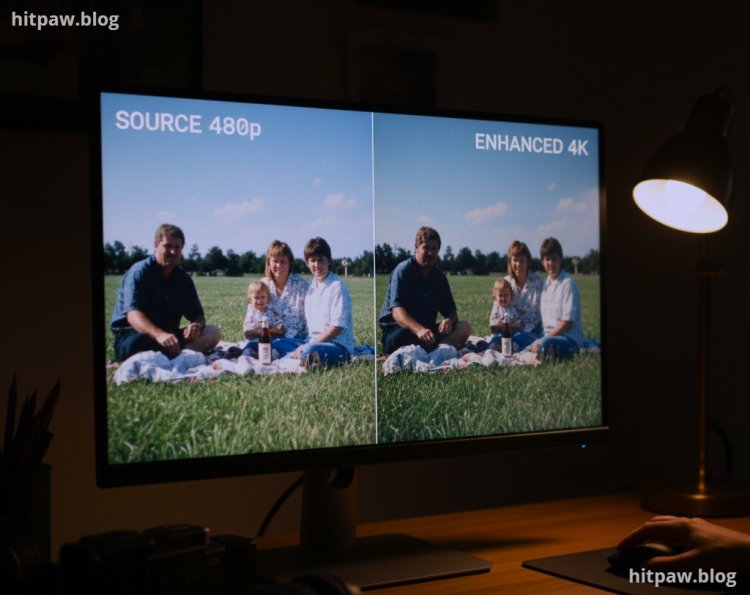
Original 480p client interview > AI upscale to 1080p > post processed color > YouTube ready video with professional clarity
Step 6: Export Settings for Delivery
MP4 format, H.264 codec for online platforms
Bitrate: 12 to 20 Mbps for 1080p
AAC 320kbps audio if needed
Real Feedback From Clients
Clients said:
“I can’t believe this was the same old footage! It looks crisp and professional now.”
AI upscaling workflow allowed me to consistently deliver high quality results without spending hours manually editing low resolution footage.
What I Got Wrong the First Time
|
Mistake |
How I Fixed It |
|
Over applied AI sharpening |
Reduced sharpness settings and rendered short clips first |
|
Ignored pre processing |
Cropped and stabilized footage before AI processing |
|
Skipped post processing |
Adjusted color, contrast, and saturation manually after AI |
Tips From My Experience
Always keep the original footage intact. Work on a copy for AI upscaling. This way, you can re run the process with different settings if needed.
Final Considerations
AI based video upscaling is a game changer for anyone dealing with low resolution footage. The key steps are:
Analyze source footage
Pick the right AI model
Pre process problem areas
Apply AI carefully
Post process for natural colors and sharpness
Following this workflow, I’ve been able to transform old 480p videos into high quality 1080p or 4K content suitable for YouTube, client presentations, and professional use. AI tools cannot replace human judgment, but combined with careful editing, they drastically improve productivity and quality.
Common Questions About AI Video Upscaling
Q1: Can AI truly turn 480p into 1080p without looking artificial?
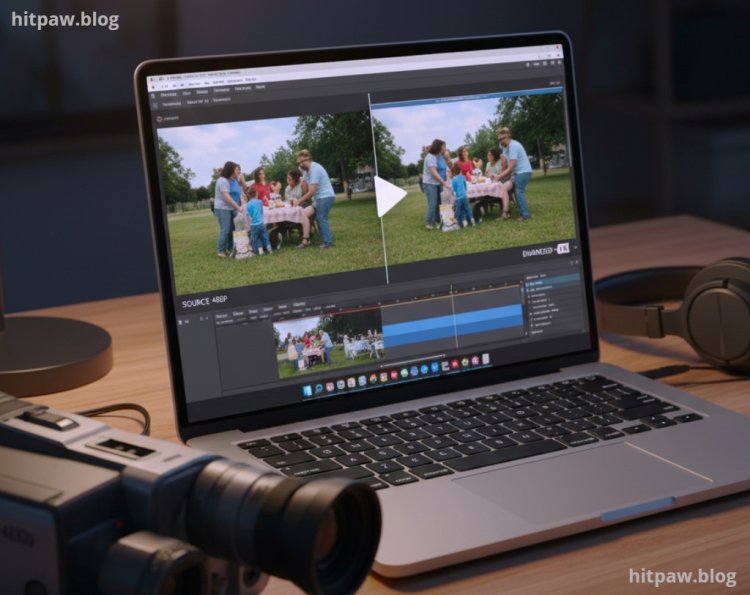
Yes, it preserves textures and edges intelligently, though extreme low footage may still appear slightly soft.
Q2: Which AI model is best for upscaling interviews?
Gaia works well for general scenes; Proteus is ideal if you need manual adjustments for faces and motion.
Q3: Does AI remove motion blur automatically?
Minor blur is reduced, but extreme blur requires pre processing stabilization.
Q4: Can AI correct colors?
AI focuses on clarity; color correction is best done manually post enhancement.
Q5: How long does AI upscaling take?
Depends on footage length, resolution, and GPU power. A 10minute 480p clip may take 20 to 30 minutes on a mid range GPU.
Q6: Is AI upscaling worth it for all video types?
Best for old content, tutorials, interviews, and client projects where professional clarity is needed.
What's Your Reaction?